
A Practical Guide to Achieving Thorough Heat Exchanger Cleaning
Complete removal of contaminants from heat exchangers is critical for maintaining high thermal efficiency, reducing energy consumption, and extending equipment life. Whether dealing with finned tube heat exchangers, plate heat exchangers, or shell-and-tube designs, regular and systematic cleaning is essential to prevent fouling and performance degradation.
This guide explains a structured approach to comprehensive heat exchanger cleaning, outlines common contamination types, and describes proven cleaning methods and advanced technologies that help ensure reliable and repeatable results.
Common Contaminants Found in Heat Exchangers
Understanding the nature of fouling is the first step toward effective cleaning. Typical contaminants include:
- Encrustation – Hard, crust-like deposits caused by mineral-rich fluids
- Scaling – Layered mineral deposits formed when dissolved salts precipitate
- Sediment – Loose particles that accumulate in channels and low-flow areas
- Biological Fouling – Growth of algae, bacteria, and biofilms, especially in cooling systems
Each contaminant type requires a targeted cleaning approach for complete removal.
Step-by-Step Process for Complete Heat Exchanger Cleaning
Step 1: Identify All Potential Contaminants
Start by assessing the heat exchanger to identify the types of fouling present. For example, finned tube heat exchangers are more prone to sediment and biological growth, while plate heat exchangers often experience heavy scaling due to their large surface area.
Step 2: Design a Comprehensive Cleaning Strategy
Develop a cleaning plan that addresses each contaminant type. This may involve a combination of chemical, mechanical, and assisted cleaning methods to ensure no residue remains.
Step 3: Prepare the Cleaning System
Assemble cleaning equipment and materials suited to the identified fouling challenges. This can include chemical circulation systems, pressure washing tools, ultrasonic devices, and specialized accessories for hard-to-reach zones.
Step 4: Define Cleaning Time and Sequence
Estimate and document the time required for each cleaning stage. Structured scheduling improves efficiency and minimizes downtime. Complex exchangers typically require longer cleaning cycles due to their geometry.
Step 5: Execute the Cleaning Process
Carry out the cleaning operation according to the defined plan. Monitor flow rates, chemical concentration, temperature, and pressure to ensure effective contaminant removal.
Step 6: Evaluate Cleaning Effectiveness
Measure performance improvements using parameters such as:
- Pressure drop
- Heat transfer efficiency
- Flow restoration
Significant improvements confirm successful fouling removal.
Step 7: Document the Cleaning Activity
Create a detailed case record including observations, chemicals used, time taken, and results achieved. This documentation is critical for continuous improvement and audit readiness.
Step 8: Use Records for Future Maintenance
Refer to historical cleaning data to replicate successful procedures and refine future maintenance plans. This helps standardize results across cleaning cycles.
Step 9: Analyze Cleaning Frequency vs Performance
Evaluate how long performance improvements last after cleaning. This real-world data helps optimize cleaning intervals beyond generic manufacturer recommendations.
Step 10: Adapt the Process Across Heat Exchanger Types
Apply this structured approach to all heat exchanger variants while adjusting methods based on design, materials, and fouling behavior.
Combining Cleaning Methods for Maximum Effectiveness
A complete heat exchanger cleaning program often integrates multiple techniques:
Pressure Washing (Hydrojetting)
Highly effective for removing loose debris, sediment, and surface-level biological fouling using high-pressure water jets.
Chemical Cleaning
Uses carefully selected chemicals to dissolve scale, encrustation, and biofouling without damaging exchanger materials.
Vibronic Cleaning
Enhances chemical action through controlled mechanical vibration, making it effective for stubborn or bonded deposits.
Best Practice:
Use these methods in sequence—pressure washing first, followed by chemical treatment, and finishing with vibronic or assisted cleaning—to maximize effectiveness while reducing downtime.
Advanced Cleaning with the Pulsonication System
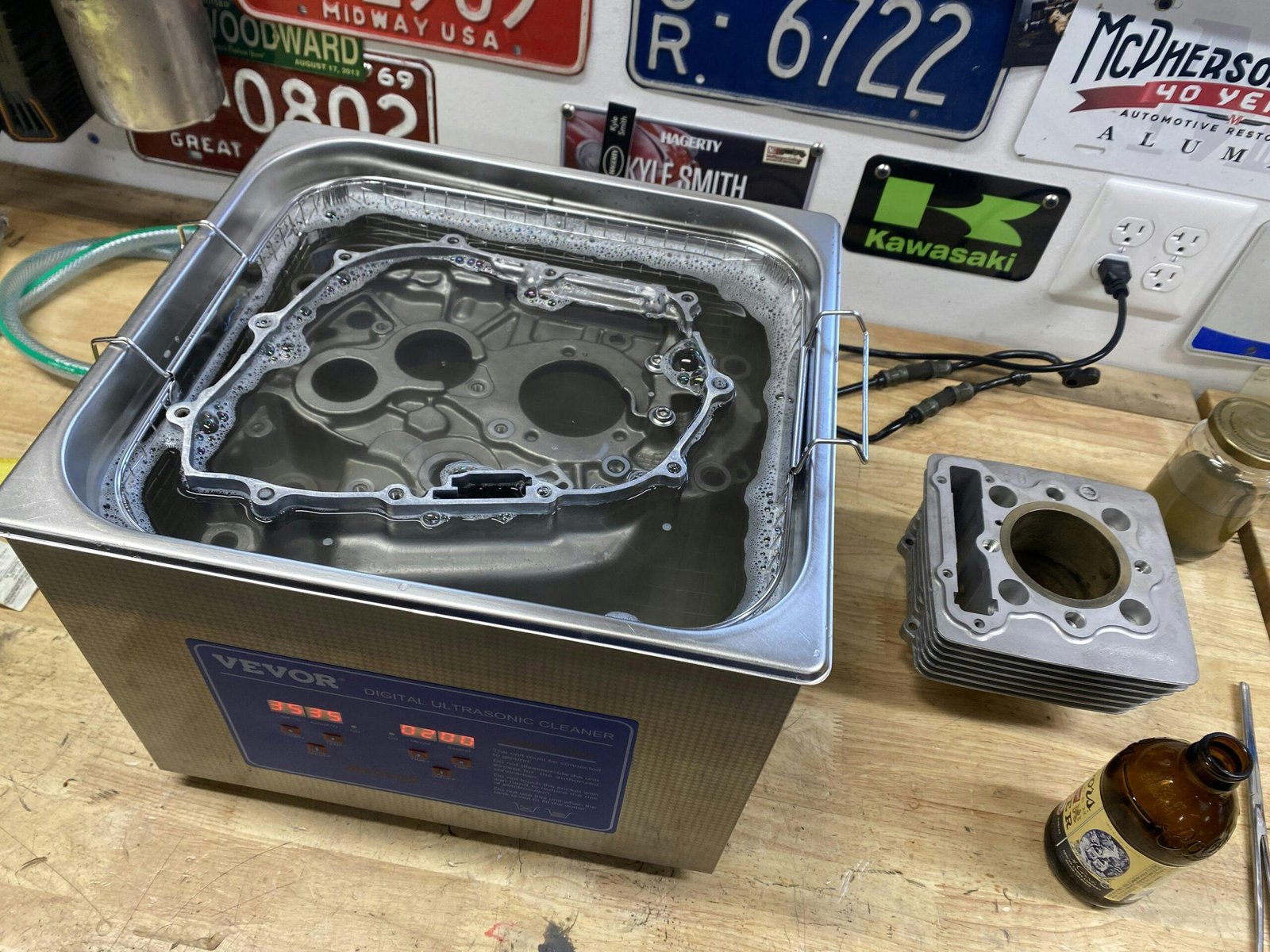
The Pulsonication system integrates ultrasonic energy, specialized chemistry, and pressure rinsing into a single, high-efficiency cleaning solution.
Key Benefits
Superior Contaminant Removal
Ultrasonic cavitation generates microscopic bubbles that implode on fouled surfaces, loosening contaminants without mechanical damage.
Reduced Cleaning Time
The synergy of ultrasonics and tailored chemicals significantly shortens cleaning cycles compared to conventional methods.
Pulsonication is particularly effective for plate heat exchangers and other complex designs where traditional methods struggle to reach all surfaces.
Additional Learning and Support Resources
In-Depth Technical E-Book
Our detailed E-book covers:
- Ultrasonic cleaning principles and cavitation science
- Step-by-step Pulsonication system implementation
- Real-world case studies
- Comparison with traditional cleaning techniques
- Best practices for long-term maintenance
Expert Consultation and On-Site Support
We also offer:
- Consultation services to assess your specific cleaning challenges
- On-site assistance for system setup, training, and execution
- Ongoing technical support for optimization and troubleshooting
Benefits of a Systematic Heat Exchanger Cleaning Program
Implementing a structured and advanced cleaning approach delivers measurable benefits:
- Improved heat transfer efficiency
- Lower energy consumption
- Extended equipment lifespan
- Reduced unplanned downtime
- Lower long-term maintenance costs
Advanced solutions like Pulsonication provide a sustainable, repeatable, and cost-effective way to maintain peak heat exchanger performance.
Conclusion
Ensuring complete cleaning of heat exchangers—whether finned tube, plate, or shell-and-tube—is essential for reliable operation and long-term efficiency. By following a structured cleaning methodology, combining complementary cleaning techniques, and leveraging advanced technologies such as the Pulsonication system, industries can significantly improve performance while reducing downtime and operating costs.
Regular, data-driven maintenance not only protects equipment but also enhances overall plant efficiency and sustainability.
For more insights, expert guidance, or to schedule a consultation, feel free to contact us or subscribe to our blog and newsletter for the latest developments in heat exchanger cleaning and maintenance