
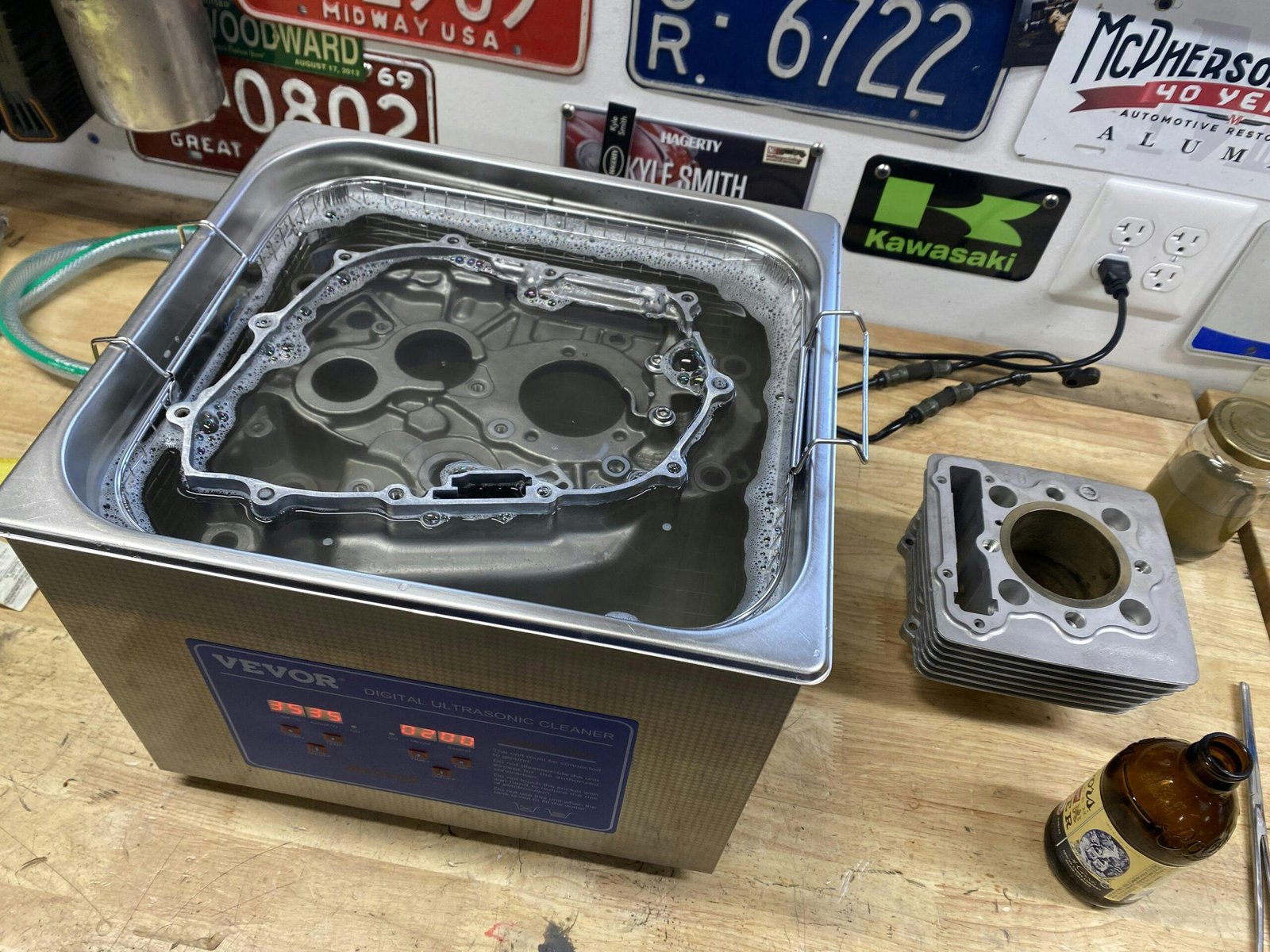
Introduction: Linking Heat Exchanger Cleaning to Carbon Credit Opportunities
Carbon credits are no longer just an environmental initiative—they are a measurable business opportunity for industries aiming to reduce emissions and improve operational efficiency. One often overlooked area with strong potential for carbon reduction is heat exchanger cleaning.
Clean heat exchangers operate more efficiently, consume less energy, and reduce overall carbon emissions. However, organizations frequently miss out on potential carbon credit benefits due to avoidable technical, equipment, and process-related mistakes. These gaps can lead to higher energy consumption, inefficient cleaning cycles, and weak emissions documentation.
This article highlights the most common pitfalls in heat exchanger cleaning that prevent companies from achieving carbon credit eligibility—and provides practical guidance on how to avoid them.
Poor Equipment Calibration and Inconsistent Maintenance
One of the most common technical mistakes is operating cleaning equipment without proper calibration or preventive maintenance. Ultrasonic cleaners, descaling systems, and circulation units must operate within precise parameters to deliver energy-efficient performance.
When equipment is poorly calibrated:
- Cleaning efficiency drops
- Energy consumption increases
- Heat transfer performance is not fully restored
These inefficiencies directly impact emission reduction calculations, weakening carbon credit claims.
Best Practice:
Implement a scheduled calibration and maintenance program. Regular inspections ensure optimal energy usage, consistent cleaning performance, and verifiable emission savings.
Incorrect Selection of Cleaning Methods
Choosing an unsuitable cleaning method is another major barrier to carbon credit qualification. Traditional cleaning approaches may remove fouling, but they often consume excessive energy, water, or chemicals—offsetting any environmental benefits.
Energy-intensive or chemically aggressive cleaning methods increase:
- Carbon emissions
- Chemical waste
- Operational costs
Best Practice:
Evaluate cleaning requirements carefully and adopt energy-efficient technologies, such as ultrasonic or optimized chemical circulation systems, that reduce cleaning time and energy usage while restoring heat exchanger performance effectively.
Failure to Adopt Advanced Cleaning Technologies
Many facilities continue using outdated cleaning techniques simply because they are familiar. This reluctance to modernize can significantly limit emission reduction potential.
Advanced cleaning technologies—such as multi-frequency ultrasonic systems or optimized low-temperature chemical cleaning—deliver:
- Faster cleaning cycles
- Lower energy demand
- Improved heat transfer efficiency
Failing to adopt such technologies often results in missed carbon credit opportunities.
Best Practice:
View technology upgrades as long-term sustainability investments. While initial costs may exist, reduced energy use and improved emissions reporting often justify the transition.
Lack of Standardized Cleaning Procedures
Inconsistent cleaning practices make it difficult to measure energy savings accurately—a critical requirement for carbon credit validation.
Without standardized procedures:
- Cleaning outcomes vary
- Energy usage becomes unpredictable
- Emission reduction data lacks credibility
Best Practice:
Develop and document standardized cleaning protocols, including chemical dosage, cycle duration, energy input, and verification checks. Standardization ensures repeatable results and reliable emissions data.
Ignoring Real-Time Monitoring and Data Collection
Carbon credits rely heavily on measurable and verifiable data. Organizations that do not monitor cleaning performance and energy consumption in real time often struggle to quantify emission reductions.
Without data:
- Inefficiencies remain hidden
- Optimization opportunities are missed
- Carbon credit audits become difficult
Best Practice:
Use sensors, monitoring systems, and digital logs to track energy usage, temperature, and cleaning effectiveness. Real-time data strengthens both operational control and carbon credit documentation.
Overlooking Heat Exchanger Design and Cleanability
Heat exchanger design plays a major role in cleaning efficiency and energy consumption. Units that are difficult to clean or prone to fouling require frequent maintenance and higher energy input.
Design-related challenges include:
- Limited access to fouled surfaces
- Poor flow distribution
- Rapid scale buildup
Best Practice:
Collaborate with equipment manufacturers to improve cleanability through design modifications or material selection. Cleaner designs reduce fouling frequency, energy use, and emissions over time.
Insufficient Training and Process Awareness
Even the best systems fail when operators lack proper training. Poor understanding of cleaning parameters, energy optimization, or sustainability objectives leads to inefficient execution.
Untrained teams may:
- Overuse chemicals
- Run longer-than-necessary cleaning cycles
- Miss optimization opportunities
Best Practice:
Invest in training programs that cover equipment operation, energy-efficient cleaning practices, and the role of heat exchanger maintenance in carbon reduction strategies.
Sustainable Cleaning Solutions That Support Carbon Credit Goals
Modern industrial cleaning solutions are increasingly designed with sustainability in mind. Environmentally responsible cleaning products made from renewable or biodegradable sources can reduce lifecycle emissions while maintaining cleaning effectiveness.
Such solutions help:
- Lower chemical-related emissions
- Reduce hazardous waste
- Support compliance with sustainability frameworks
When combined with efficient cleaning processes, they strengthen the overall carbon credit narrative.
Conclusion: Turning Heat Exchanger Cleaning into a Carbon Reduction Asset
Gaining carbon credits through heat exchanger cleaning is achievable—but only when technical execution, process discipline, and sustainability strategy align. Avoiding common mistakes such as poor calibration, outdated cleaning methods, lack of monitoring, and inadequate training is critical.
By adopting energy-efficient cleaning technologies, standardizing procedures, and using data-driven performance tracking, organizations can reduce emissions, improve operational efficiency, and strengthen their eligibility for carbon credits.