
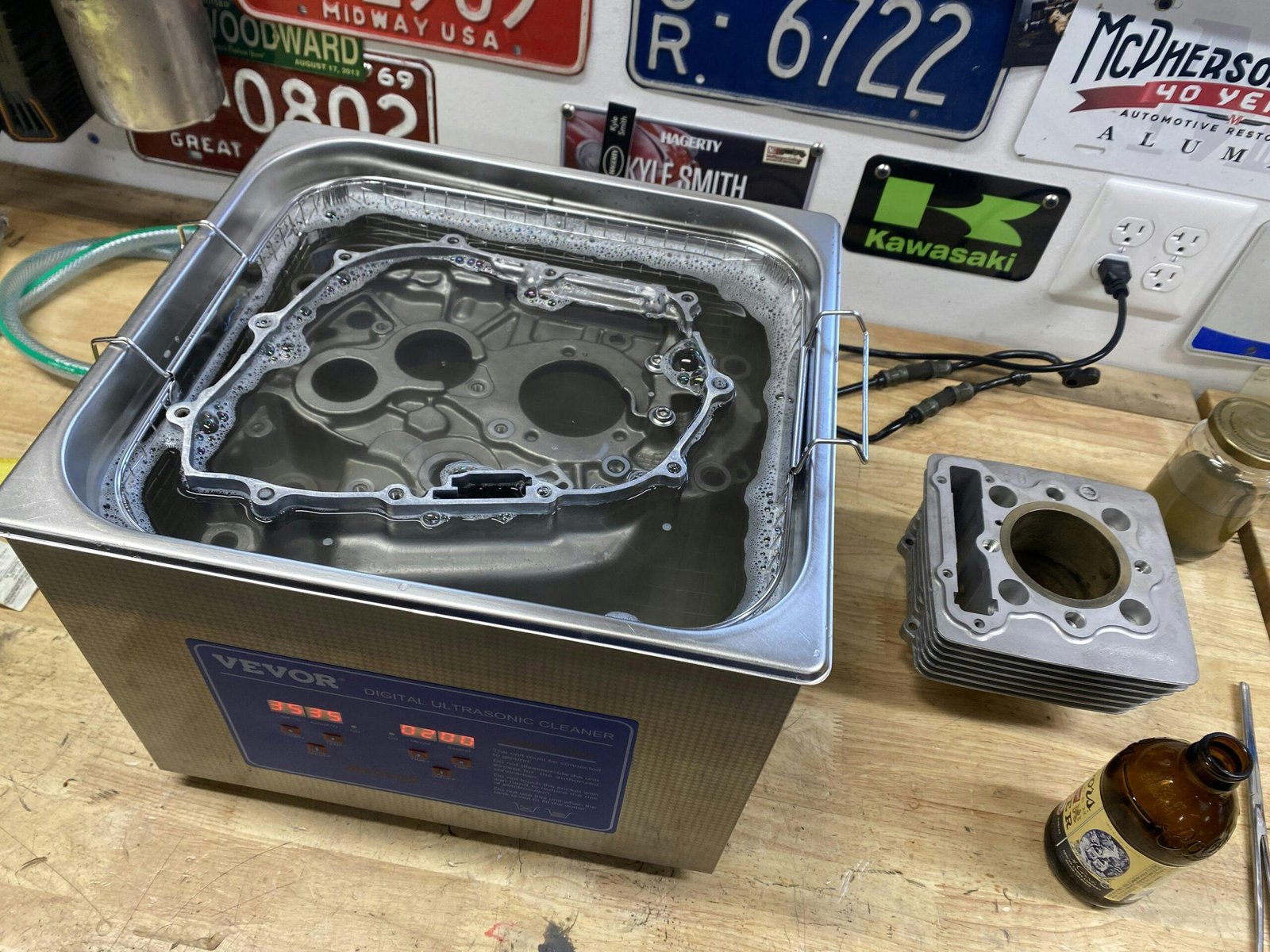
Introduction: Why Water-Free Cleaning Matters in Industrial Applications
In industrial manufacturing and precision engineering, effective cleaning is critical to product performance, quality control, and equipment longevity. However, not all components are suitable for traditional water-based cleaning methods. Certain materials and assemblies can suffer corrosion, degradation, or performance failure when exposed to moisture.
This is where ultrasonic cleaning without water becomes a valuable alternative. Ultrasonic technology delivers deep, non-contact cleaning that removes contaminants from complex and sensitive parts without mechanical stress. That said, selecting the right ultrasonic cleaning approach requires careful consideration—especially when dealing with components that cannot tolerate water.
This guide outlines the key factors, questions, and best practices to help you choose the right industrial ultrasonic cleaning solution while protecting delicate and moisture-sensitive parts.
How Ultrasonic Cleaning Works for Industrial Components
Ultrasonic cleaning uses high-frequency sound waves transmitted through a liquid cleaning medium. These sound waves generate microscopic cavitation bubbles that form and collapse rapidly. When these bubbles implode near a component’s surface, they release energy that dislodges contaminants such as oils, greases, particulates, and residues.
This process is particularly effective for:
- Parts with intricate geometries
- Components with blind holes, threads, or narrow channels
- Fragile or precision-engineered assemblies
Industries such as aerospace, automotive manufacturing, electronics, optics, and medical device production frequently rely on ultrasonic cleaning for its accuracy and consistency.
Limitations of Water-Based Cleaning for Sensitive Parts
Although water-based cleaners are commonly used, they are not always suitable—especially for moisture-sensitive materials and assemblies.
Corrosion and Oxidation Risks
Metals such as aluminum, magnesium, and certain alloys can corrode when exposed to water, particularly if drying is incomplete or inconsistent.
Material Compatibility Issues
Some polymers, elastomers, coatings, and composite materials may swell, soften, or degrade when exposed to aqueous solutions.
Ineffective Contaminant Removal
Water alone may not dissolve oils, greases, or certain industrial residues, especially in parts with complex internal structures.
Residue and Process Interference
Water-based cleaners can leave mineral or chemical residues that interfere with downstream processes such as coating, bonding, painting, or assembly.
Because of these challenges, non-water ultrasonic cleaning solutions are often the preferred choice for sensitive applications.
Critical Questions to Ask Before Selecting an Ultrasonic Cleaning System
What Contaminants Need to Be Removed?
Identify whether the contamination consists of oils, machining fluids, particulates, carbon residues, or biological contaminants. Different contaminants require different ultrasonic frequencies and solvent types.
Is the Part Material Compatible with Ultrasonication?
Ensure that the part material can withstand ultrasonic energy, operating temperatures, and the chosen cleaning solvent without damage or degradation.
What Ultrasonic Frequency Is Required?
- Low frequencies (20–30 kHz): Aggressive cleaning for heavy contamination
- Mid-range frequencies (40–60 kHz): Balanced cleaning for general industrial use
- High frequencies (80 kHz and above): Gentle cleaning for delicate or micro components
Selecting the right frequency ensures effective cleaning without surface damage.
What Power Levels Are Safe?
Excessive ultrasonic power can damage sensitive parts, while insufficient power may lead to incomplete cleaning. Adjustable power settings allow fine control for different applications.
Advantages of Ultrasonic Cleaning for Water-Sensitive Components
Deep and Uniform Cleaning
Ultrasonic cavitation reaches areas that brushes, sprays, or manual cleaning cannot access.
Non-Abrasive Process
No physical contact means no scratching, erosion, or mechanical stress on delicate surfaces.
Reduced Manual Intervention
Automation minimizes handling, lowering the risk of contamination or part damage.
Consistent and Repeatable Results
Preset parameters ensure uniform cleanliness across production batches.
Compatibility with Eco-Friendly Solvents
Ultrasonic systems can operate with low-moisture or solvent-based cleaning solutions, reducing environmental impact compared to harsh chemicals.
The Role of Automation in Ultrasonic Cleaning Systems
Automation significantly enhances ultrasonic cleaning efficiency and reliability in industrial environments.
Increased Productivity
Automated ultrasonic systems clean multiple components simultaneously, improving throughput and reducing cycle times.
Process Consistency
Pre-programmed parameters eliminate variability caused by manual cleaning.
Seamless Production Integration
Automated ultrasonic cleaners can be integrated directly into manufacturing lines, reducing bottlenecks and downtime.
Safety Considerations in Non-Water Ultrasonic Cleaning
While ultrasonic cleaning is generally safe, proper precautions are essential:
- Solvent Handling: Use approved solvents and ensure proper storage and labeling
- Ventilation: Adequate exhaust systems are critical when using solvent-based cleaning fluids
- Equipment Monitoring: Regularly monitor temperature, power levels, and solution condition to prevent overheating or part damage
Implementing these measures ensures both operator safety and process reliability.
Case Study: Successful Ultrasonic Cleaning of Moisture-Sensitive Components
Application Challenge
A medical device manufacturer needed to clean precision stainless-steel components with fine threads and micro-holes. Water-based cleaning caused corrosion and residue issues, leading to rework and rejection.
Implemented Solution
- Industrial ultrasonic cleaner with adjustable frequency and power
- Non-corrosive, low-moisture cleaning solvent
- Automated loading and unloading system
Results Achieved
- Complete removal of contaminants from complex geometries
- Zero corrosion or surface damage
- 30% increase in cleaning throughput
- Reduced labor costs and rework rates
This case demonstrates the effectiveness of ultrasonic cleaning for parts that cannot handle water.
Addressing Common Ultrasonic Cleaning Challenges
Fragile or Complex Components
Use adjustable frequency systems and custom fixtures to stabilize delicate parts during cleaning.
Environmental and Compliance Concerns
Select eco-friendly solvents and follow proper disposal and ventilation guidelines.
Conclusion: Choosing the Right Ultrasonic Cleaning Strategy
Ultrasonic cleaning offers a powerful and adaptable solution for cleaning industrial parts that cannot tolerate water-based processes. By understanding your contaminants, material compatibility, frequency requirements, and automation options, you can implement a cleaning system that delivers reliable, damage-free results.
When properly configured, ultrasonic cleaning without water improves part cleanliness, enhances product quality, and extends component lifespan—making it a smart investment for modern manufacturing environments.